
"Dutch Guyana"
60 article(s) found

Suriname (Surinam) is the first country in South America to grow coffee
Suriname (Surinam) was the first country in South America to grow coffee, and Norway was once a major importer of coffee products. However, the country's output is very small today, and it is mentioned here only for historical reasons. The Dutch, who settled in Suriname in 1667, introduced coffee trees from Java in the early 18th century. The first batch of coffee trees were given by the mayor of Asmstedan.

Suriname (Surinam) is the first country in South America to grow coffee.
Suriname (Surinam) was the first country in South America to grow coffee, and Norway was once a major importer of coffee products. However, the country's output is very small today, and it is mentioned here only for historical reasons. The Dutch, who settled in Suriname in 1667, introduced coffee trees from Java in the early 18th century. The first batch of coffee trees were given by the mayor of Asmstedan.

Suriname was the first country in South America to grow coffee.
Suriname was the first country in South America to grow coffee, and Norway was once a major importer of coffee products from Suriname. Today, however, the country produces very little and is mentioned here only for historical reasons. The Dutch, who settled Suriname in 1667, introduced coffee trees from Java in the early 18th century. The first coffee trees were donated by the mayor of Aspen to a

An important name in the history of Suriname coffee
An important name in the history of Surinam coffee is Suriname, the first country in South America to grow coffee, and Norway was once a major importer of its coffee products. However, the country's output is very small today, and it is mentioned here only for historical reasons. The Dutch, who settled in Suriname in 1667, introduced coffee trees from Java in the early 18th century. The first batch of coffee trees

The Historical Story of Fine Coffee in Suriname
An important name in the history of Surinam coffee is Suriname, the first country in South America to grow coffee, and Norway was once a major importer of its coffee products. However, the country's output is very small today, and it is mentioned here only for historical reasons. The Dutch, who settled in Suriname in 1667, introduced coffee trees from Java in the early 18th century. The first batch of coffee trees

Introduction of Cuban Crystal Coffee in the American region south of the United States
The people of South America have waged a long and heroic struggle for freedom and liberation. In the second half of the 18th century, the system maintained by the sovereign state increasingly became the biggest obstacle to social development, and the development of this principal contradiction pushed the South American people to embark on the road of the War of Independence. In 1810, armed uprisings spread throughout South America. After more than a decade of bloody struggle, Xi was finally overthrown.

Guyane française Suriname fine coffee beans origin introduction Suriname fine coffee beans origin history
Suriname was the first country in South America to grow coffee, and Norway was once a major importer of coffee products from Suriname. Today, however, the country produces very little and is mentioned here only for historical reasons. The Dutch, who settled Suriname in 1667, introduced coffee trees from Java in the early 18th century. The first coffee trees were donated by the mayor of Aspen to a

Coffee producing area-Suriname
An important name in the history of coffee
Summary of Coffee Transmission path Sunshine Cooperative Fair Trade washing Office in Peruka Hamaka producing area, Peru
① coffee seeds were first brought into the Mysore Mountains of India by the Islamic Ranger Babudan in 1600, and by 1840, the British began to grow coffee on a large scale in India. ② in 1616 Dutch merchants introduced the first coffee tree from Mocha, Yemen. ③ in 1658 the Dutch began to grow coffee in Ceylon (now Sri Lanka). ④ in 1699 some coffee trees came from
Coffee History Chronicle
Coffee fruit was found in Ethiopia in the 6th and 7th centuries; Rhazes, a famous doctor in the Arab region in the 10th century, was considered to be the first person in history to record coffee in the literature; 1100 yuan, the first recorded coffee trees were planted in the Arabian Peninsula, after roasting and cooking, coffee was called Gahwa, meaning Islamic wine; in the 13th century, people
Coffee memorabilia
In the Abyssinian plateau in the 6th century, a shepherd named Carl Dai, one day driving goats to the new grassland grazing, because of goat ingestion, and inadvertently found coffee fruit. Dr. Dajes, a famous doctor in Iraq in the early 10th century, acknowledged and documented the pharmacological effects of coffee. This is a valuable medical record of coffee's earliest days. 11th century Arabs invented the whole

Coffee Culture History Coffee History Chronicle
Coffee fruit was found in Ethiopia in the 6th and 7th centuries; Rhazes, a famous doctor in the Arab region in the 10th century, was considered to be the first person in history to record coffee in the literature; 1100 yuan, the first recorded coffee trees were planted in the Arabian Peninsula, after roasting and cooking, coffee was called Gahwa, meaning Islamic wine; in the 13th century, people

When was the coffee fruit found in Ethiopia?
Coffee fruit was found in Ethiopia in the 6th and 7th centuries; Rhazes, a famous doctor in the Arab region in the 10th century, was considered to be the first person in history to record coffee in the literature; 1100 yuan, the first recorded coffee trees were planted in the Arabian Peninsula, after roasting and cooking, coffee was called Gahwa, meaning Islamic wine; in the 13th century, people

Coffee Chronicle the Historical Development of Coffee Culture
In the 6th century, on the plateau of Abyssinia, a shepherd named Caldai drove goats to the new prairie for grazing, and accidentally found coffee fruit due to the accidental feeding of goats. In the early 10th century, Dr. Daggers, a famous doctor in Iraq, admitted and documented the pharmacological effects of coffee. This is one of the earliest valuable medical records of coffee. The Arabs invented the whole coffee in the 11th century.

Coffee History Chronicle the time when the coffee fruit was found in Ethiopia
Coffee fruit was found in Ethiopia in the 6th and 7th centuries; Rhazes, a famous doctor in the Arab region in the 10th century, was considered to be the first person in history to record coffee in the literature; 1100 yuan, the first recorded coffee trees were planted in the Arabian Peninsula, after roasting and cooking, coffee was called Gahwa, meaning Islamic wine; in the 13th century, people

Coffee Chronicle the Historical Development of Fine Coffee
In the 6th century, on the plateau of Abyssinia, a shepherd named Caldai drove goats to the new prairie for grazing, and accidentally found coffee fruit due to the accidental feeding of goats. In the early 10th century, Dr. Daggers, a famous doctor in Iraq, admitted and documented the pharmacological effects of coffee. This is one of the earliest valuable medical records of coffee. In the 11th century, the Arabs invented the whole
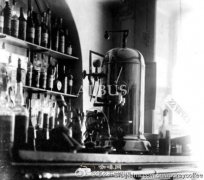
Coffee Chronicle the Development of Coffee History and Culture
In the 6th century, on the plateau of Abyssinia, a shepherd named Caldai drove goats to the new prairie for grazing, and accidentally found coffee fruit due to the accidental feeding of goats. In the early 10th century, Dr. Daggers, a famous doctor in Iraq, admitted and documented the pharmacological effects of coffee. This is one of the earliest valuable medical records of coffee. In the 11th century, the Arabs invented the whole

History of Coffee Culture introduction to the Development History of Coffee
Coffee fruits were found in Ethiopia in the 6th and 7th centuries; Rhazes, a famous doctor in the Arab region in the 10th century, was considered to be the first person in history to record coffee in literature; the first recorded coffee trees were planted in the Arabian Peninsula in the 11th century, and after roasting and cooking, coffee was called Gahwa, meaning Islamic wine; in the 13th century, people began to taste it
(transfer) Chronicle of Coffee Development
The sixth Century Chronicle of Coffee Development took place in the Abyssinia Plateau. One day, a shepherd named Caldai drove goats to the new prairie for grazing. Because the goats accidentally ate a plant, they accidentally found coffee fruit. At the beginning of the 10th century, Dr. Daggers, a famous doctor in Iraq, admitted and documented the pharmacological effects of coffee. This is one of the earliest about coffee.

France encounters bottleneck in developing coffee industry
French King Louis XIV (1638-1715) once tried coffee. Although he was insensitive to the bitter taste, he did not ignore the huge potential business opportunities of coffee. After all, the court alone spent 110000 yuan a year to buy coffee to solve the princess's coffee addiction. Coffee was the most valuable agricultural product at that time, so Louis XIV was eager to share in the global coffee industry. Seventeen ⊙ eight years, France imitates the Netherlands